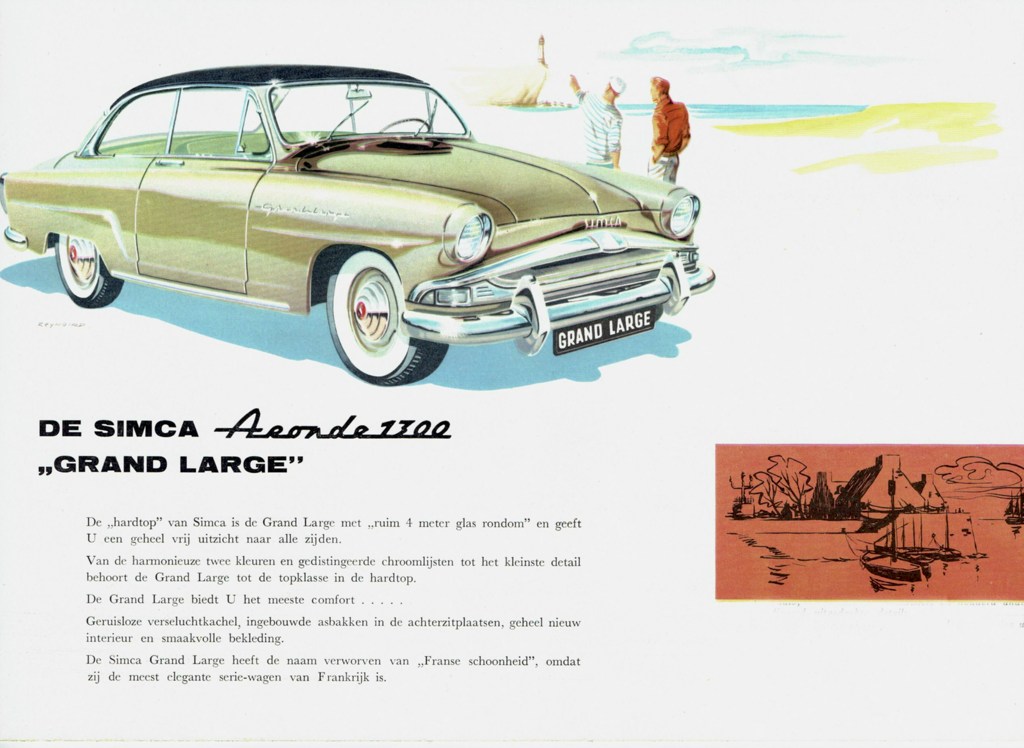
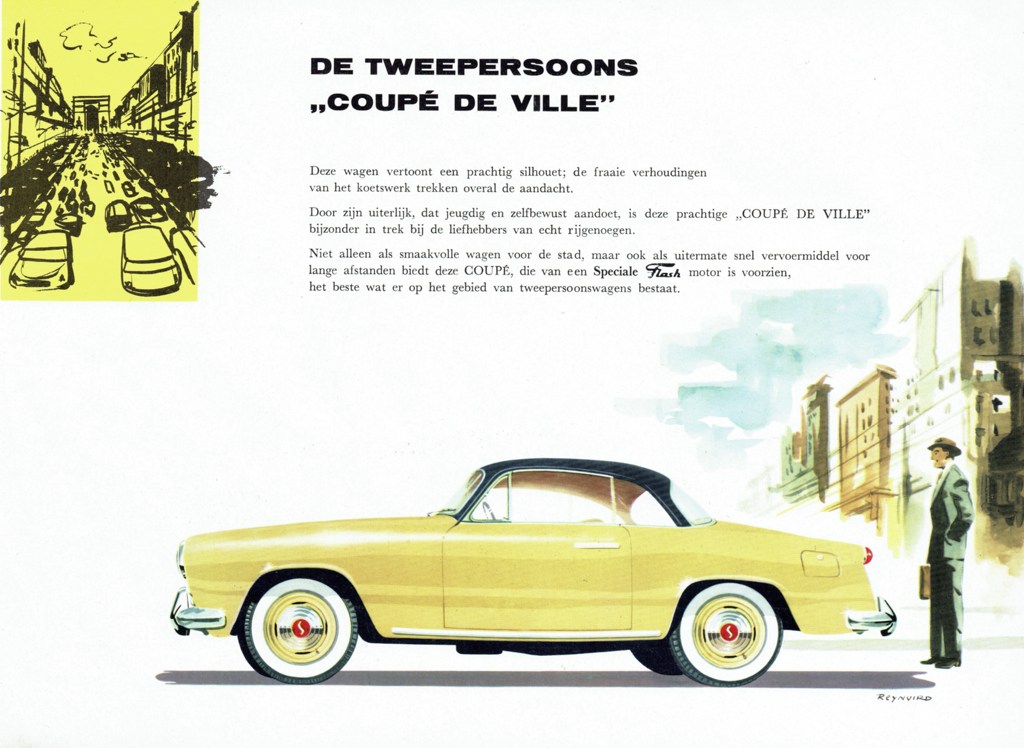
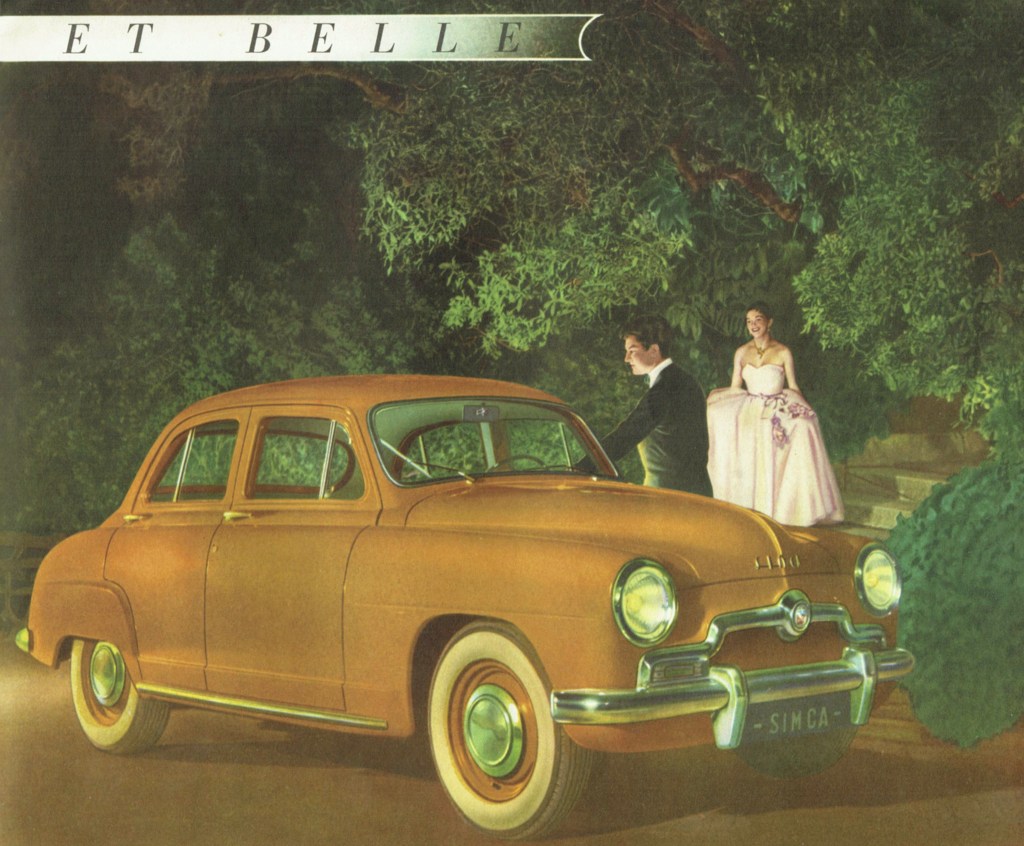
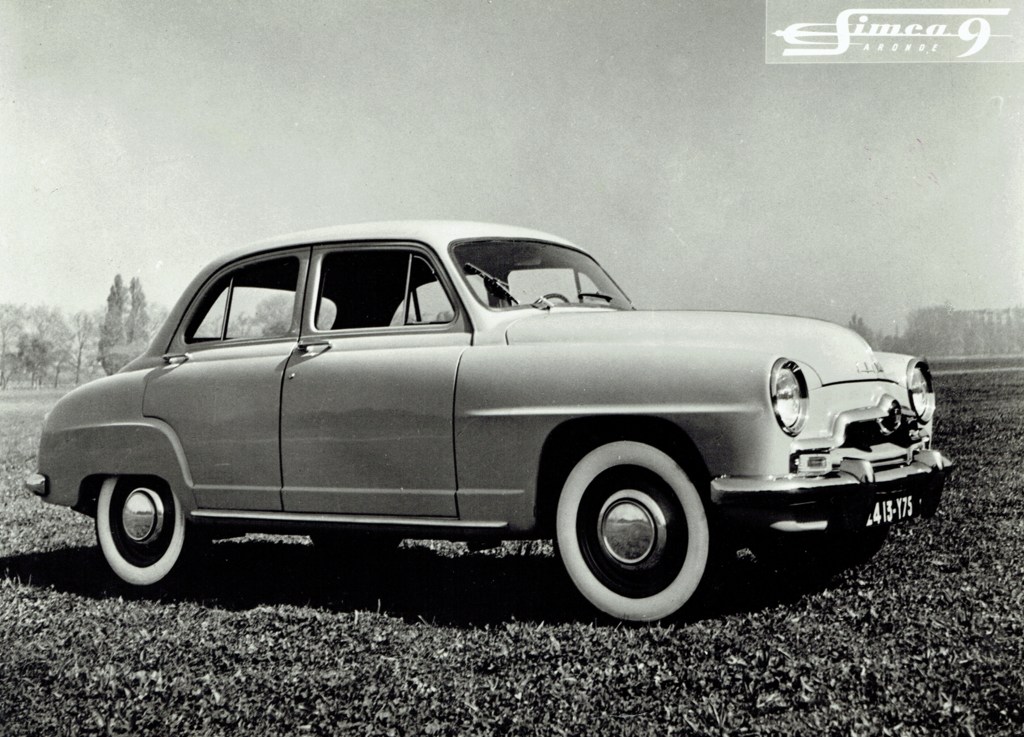
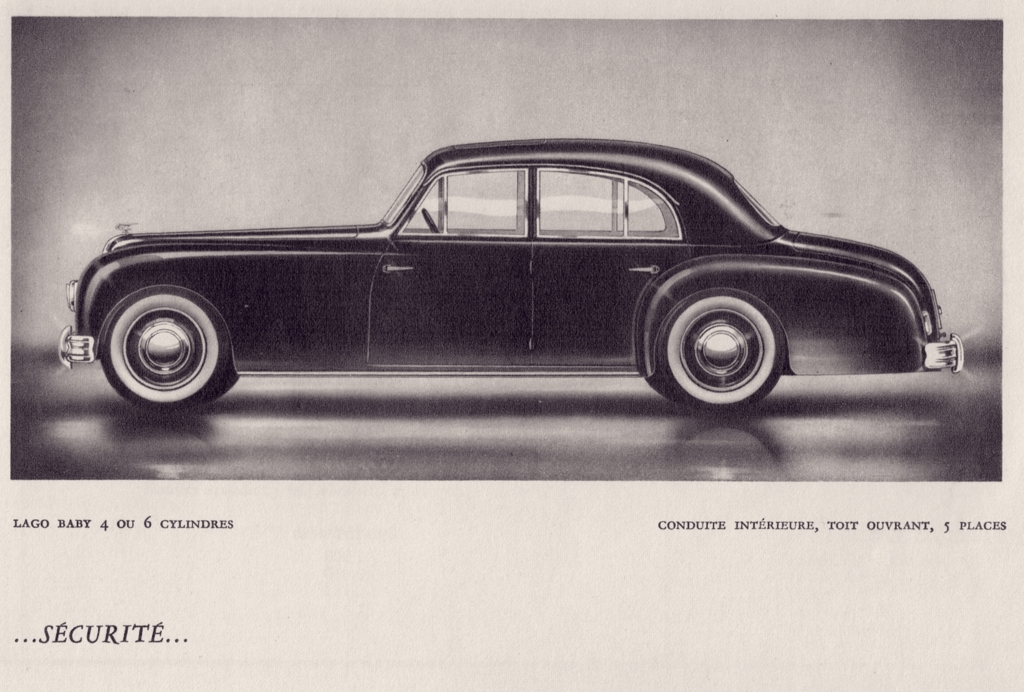
The Vedette started off life as a Ford (France) Vedette. Simca took over the Ford works in 1954 but the Vedette continued to be sold as a Ford for some time after the take-over.
1956 Simca Vedette1957 Simca Vedette Trianon
The Versailles had the “Aquilon” 2351 cc V8 side-valve engine. It produced 80 bhp at 4600 rpm.
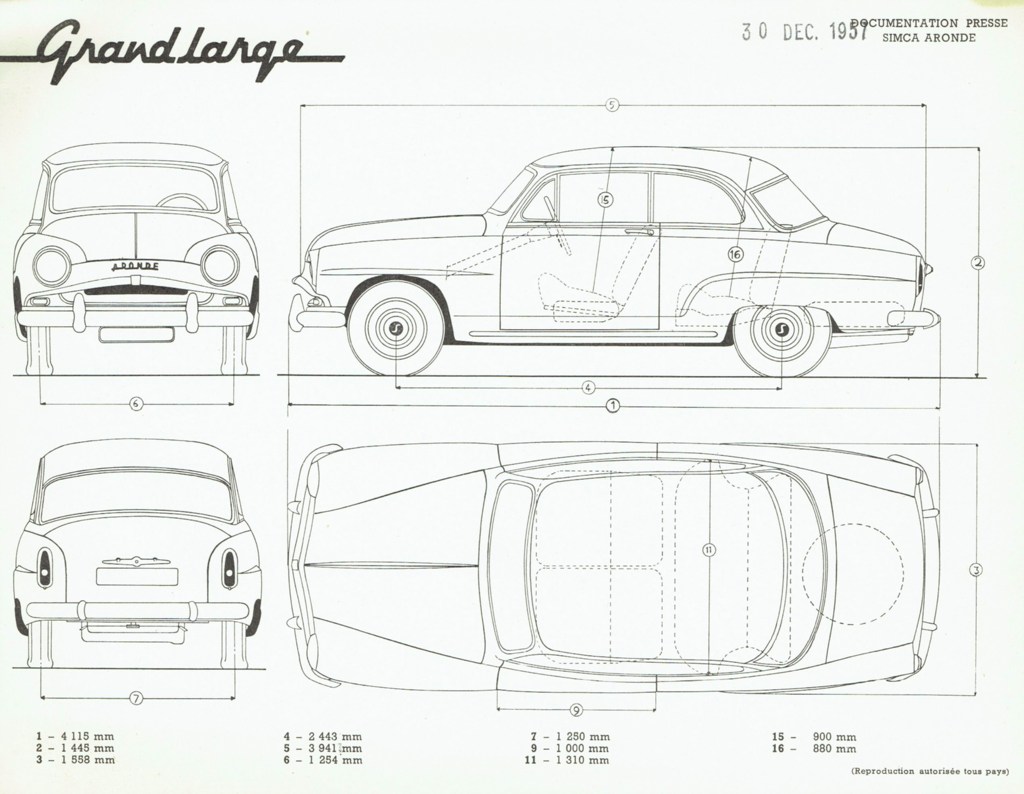
In 1957 the Simca Vedette could be had in these colours and two-tone combinations 1957 Simca Vedette dimensions
1958 saw the introduction of a new body style, but still with the side-valve V8. The models were Beaulieu, Chambord, Présidence and Marly. The old body style was continued as the Ariane.
1958 Simca VedetteDetails of the 1958 Simca Vedette models1958 Simca Vedette Présidence1958 Simca Vedette Chambord
Specification (1958 Simca Vedette) Engine sidevalve V8 2351 cc Power 84 hp @ 4800 rpm Top Speed 145 km/h
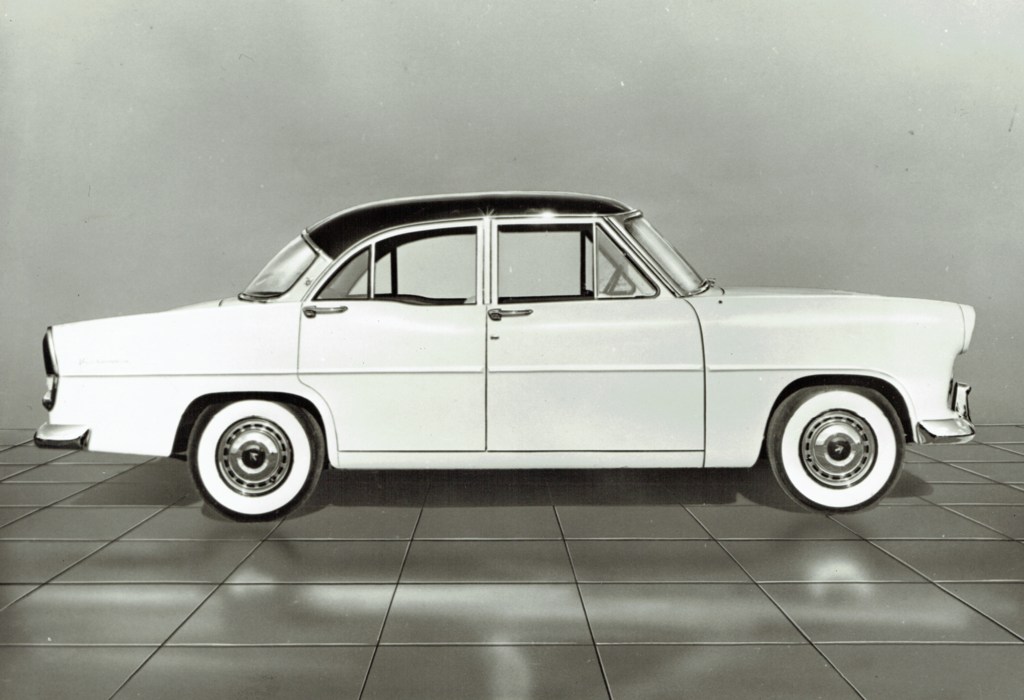
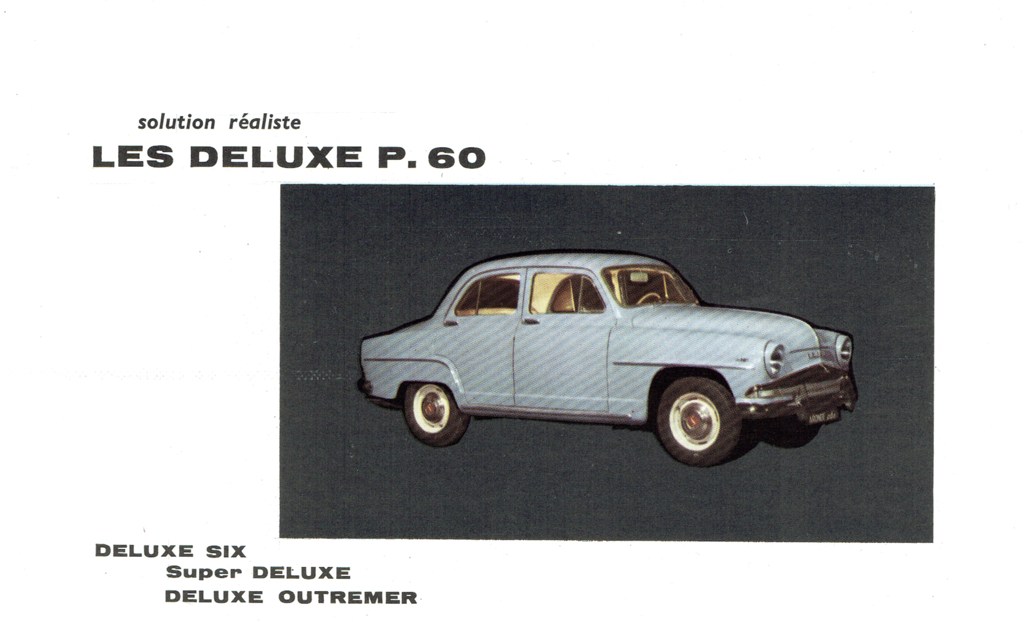
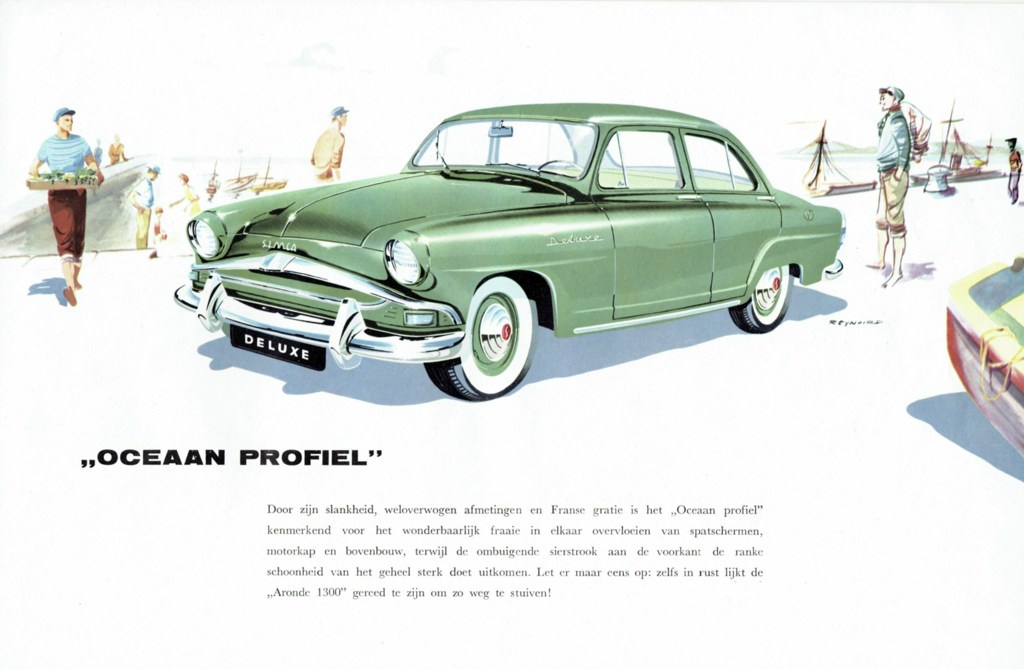
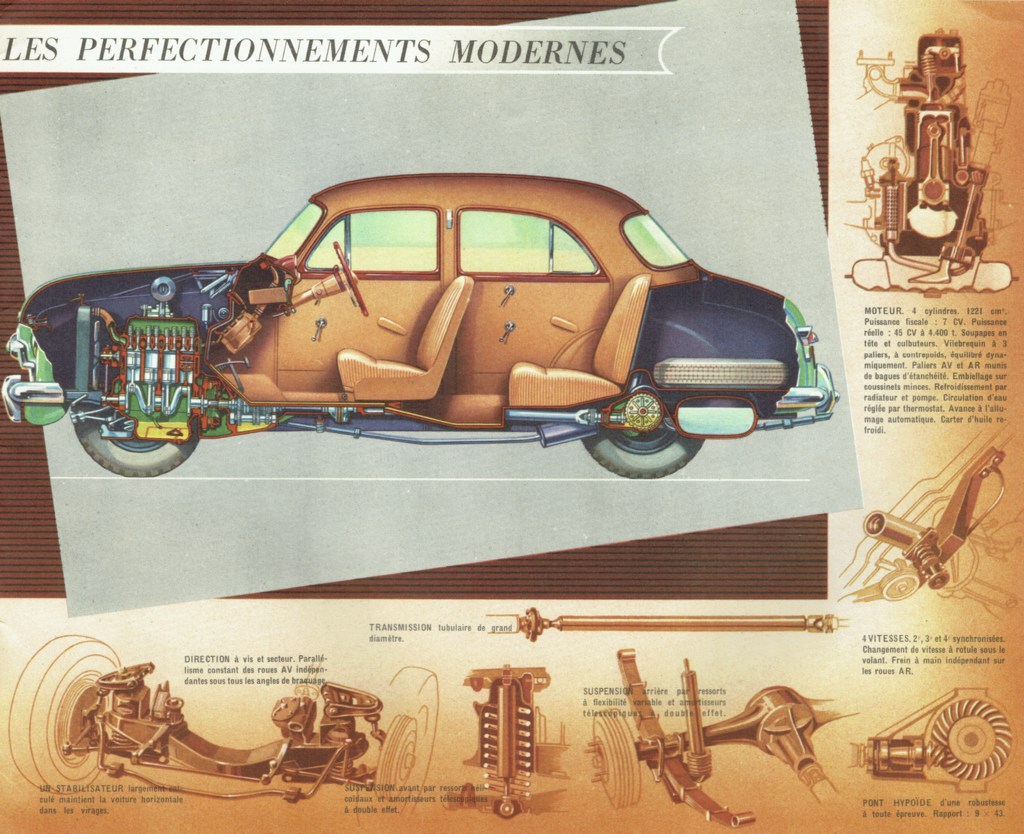
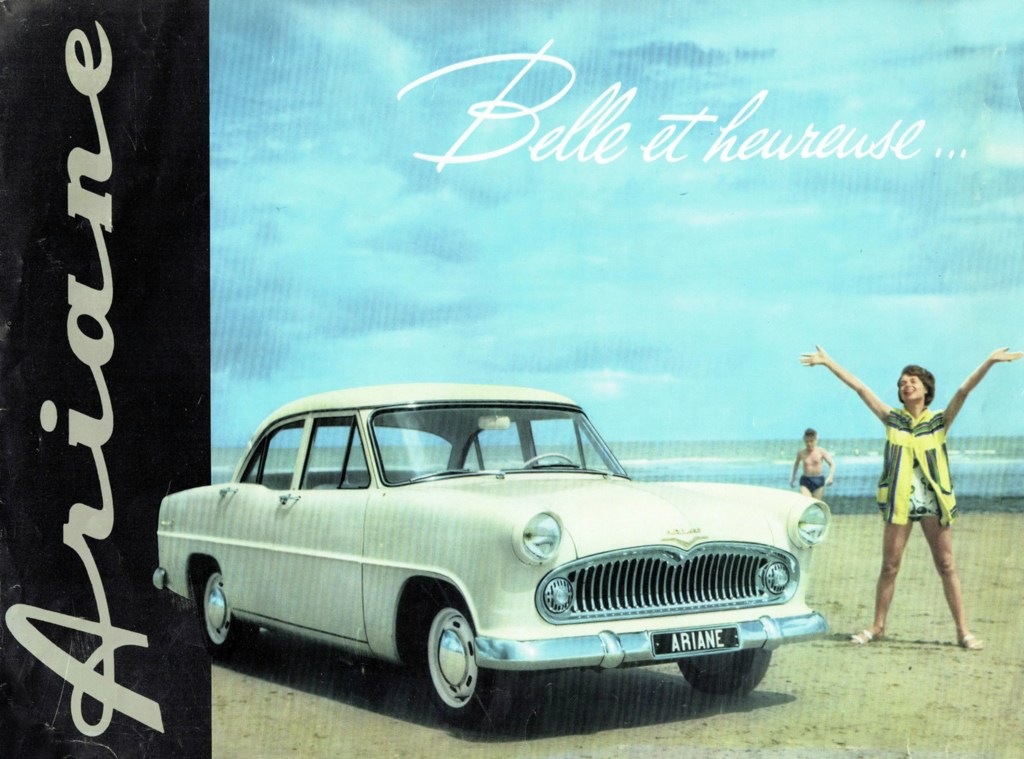
The Ariane had the body style of the (old) Vedette coupled with the reliable and economical 4 cylinder ‘Flash’ engine.
1958 Simca ArianeAriane 4 – Life in the 1950s
1958 Simca Ariane
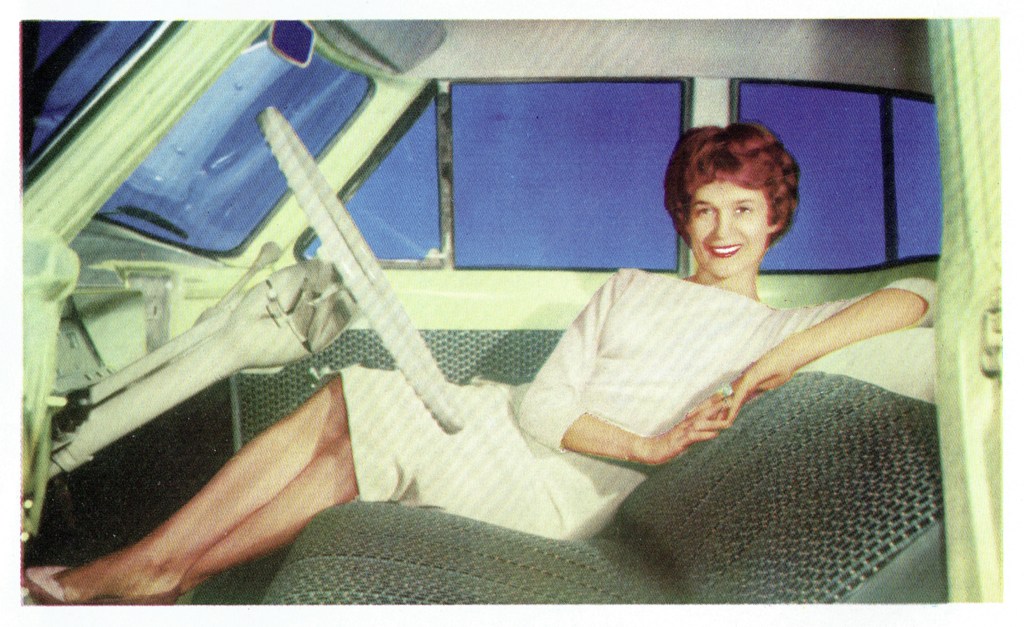
1960 Ariane 4 Interior
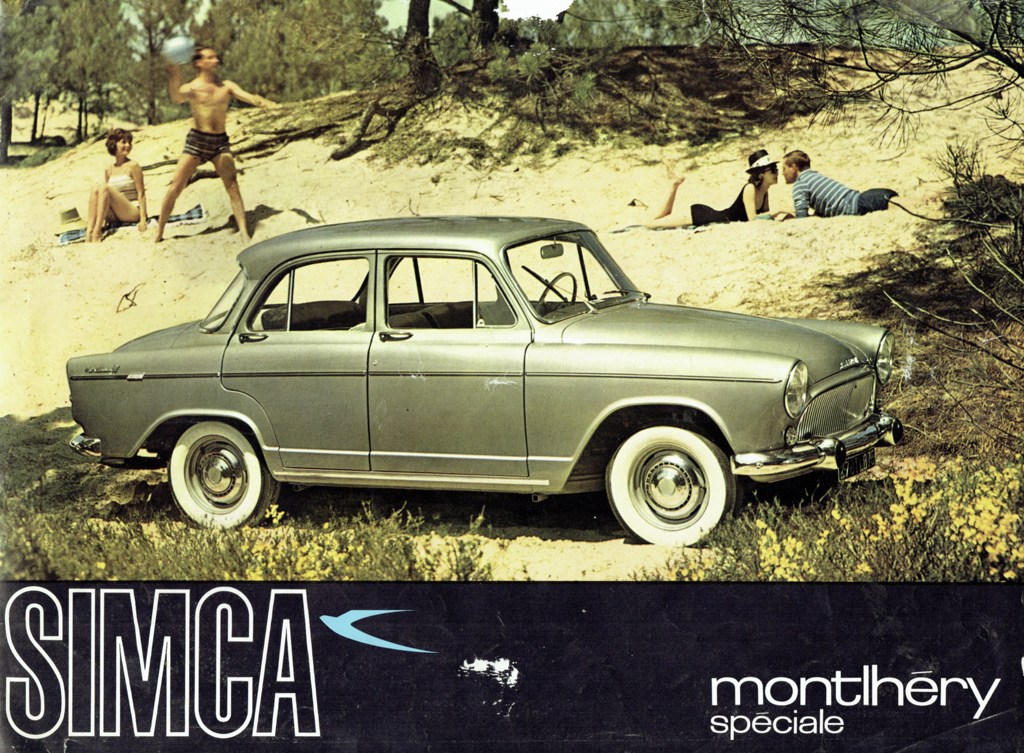
About the 1962 model: “Detail changes have been made for 1962 to all these cars. which all underwent their most important change last year by the introduction of the five-bearing “Rush” engine, with automatic vacuum-controlled spark advance. The “Montlhéry” 4/5-seat passenger saloon was described by Maurice Trintignant as a sports car power plant in a series produced car. Now with the 70 b.h.p. engine, and renamed “Spéciale”. this model has been made available in a new metallic grey finish. Of similar power and the other prestige models, the “Monaco Spéciale” 4-passenger hardtop, the “Océane” two-seat hardtop and its sister “Plein Ciel” convertible. The six-seat Ariane Miramas has had its sound-proofing improved still further; three versions of this car comprise the standard, the SL (Super Luxe) with some extras and the GC (Grand Comfort) with contoured Autogalbe seat back and Chambord type upholstery in elastic, leather-grained fabric. The low-priced Etoile has a slightly more luxurious version, the Elysee. a four/five seat saloon with four doors.”
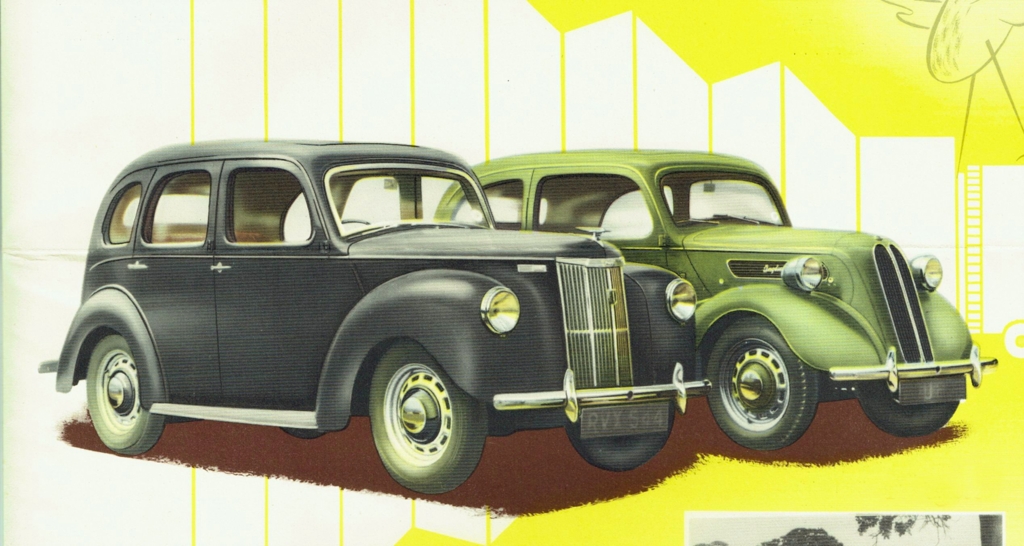
The Ford Prefect was the four-door version of the Anglia and Popular models. Slightly up-market.
E93A 1938-1949
1938 Ford Prefect E93A
E493A 1949-1953
This was a facelift of the earlier model. It now had fared-in headlamps and a completely new grille.
1949 Ford Prefect and Anglia
100E 1953-1959
1953 saw the introduction of a thoroughly new model. Gone was the separate chassis transverse springs and mechanical brakes, and in were a unitary body, independent front suspension and hydraulic brakes.
The Consul Mark I, code named EOTA, was launched in 1951. It was the successor to the Ford V8 Pilot. The Consul was the 4-cylinder version of the Ford Zephyr.
1951 Ford Consul Mk IFord Consul Mk I Cutaway
Ford Consul Mk II (1956-1962)
The Ford Consul Mk II followed in 1956 and was manufactured until 1962. It was also known by its Ford code name 204E.
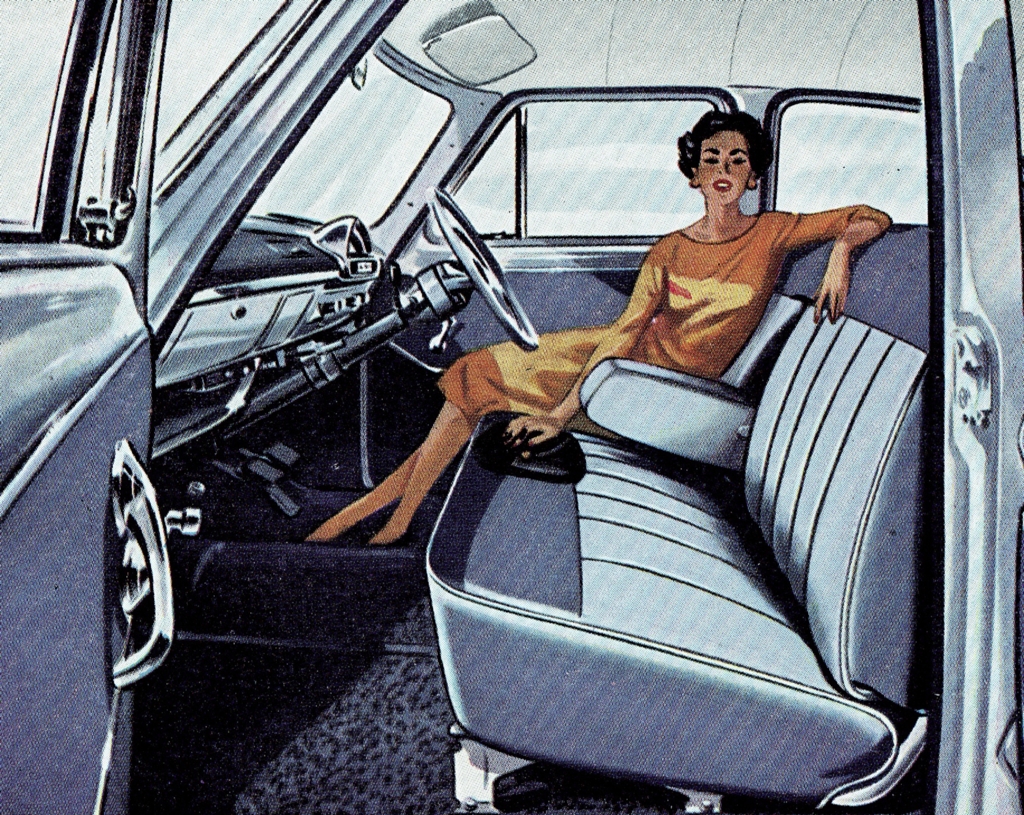
1962 Ford Consul Mk IIFord Consul Mk IIReally roomy interior …
The Consul line was discontinued, although the 1962 Cortina was initially called the Consul Cortina. The name was revived for the low-spec versions of the Grenada in 1972. See under Ford Europe.
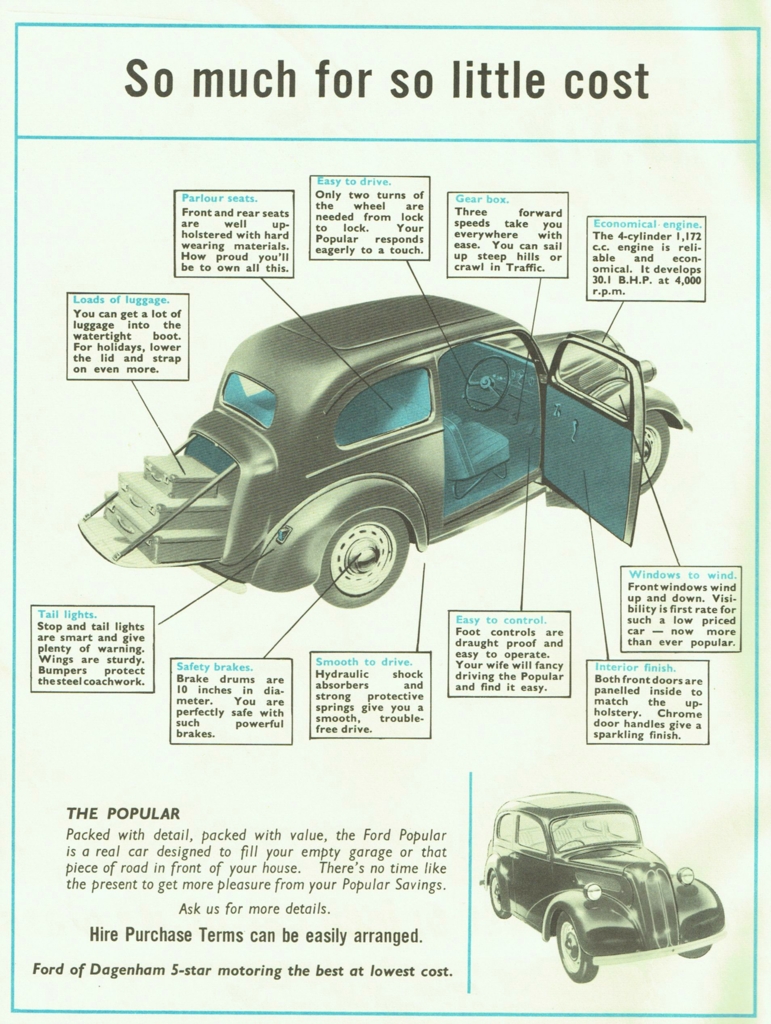
The Ford Popular was basic transportation par excellence. Spartan in trim, it had hardly any instruments, tiny headlamps and painted bumpers and hubcaps. The Popular had a single (top-mounted) vacuum-operated windscreen wiper. – I remember the wiper cutting out altogether when going uphill in a head wind! Basically the Popular was the 1949 Anglia fitted with the Prefect’s 1172 cc engine. Mechanically crude but strong and sturdy motor cars.