Jaguar XK 150 (1957-1961)
The XK 150 was the successor to the XK 140. It featured a one-piece windscreen and offered more space for the passengers.


The XK 150 was the successor to the XK 140. It featured a one-piece windscreen and offered more space for the passengers.
The S-Type was an important update of the Mark 2. It gained independent rear suspension, recently introduced on the Mark 10. The body was longer than that of the Mark 2. Interestingly, the Mark 2 remained popular and continued to sell well.

The luxury Mark X succeeded the Mark IX as the company’s top saloon model, and was primarily aimed at the United States market. The Mark 10 broke with the past, and featured unitary bodywork and independent rear suspension.


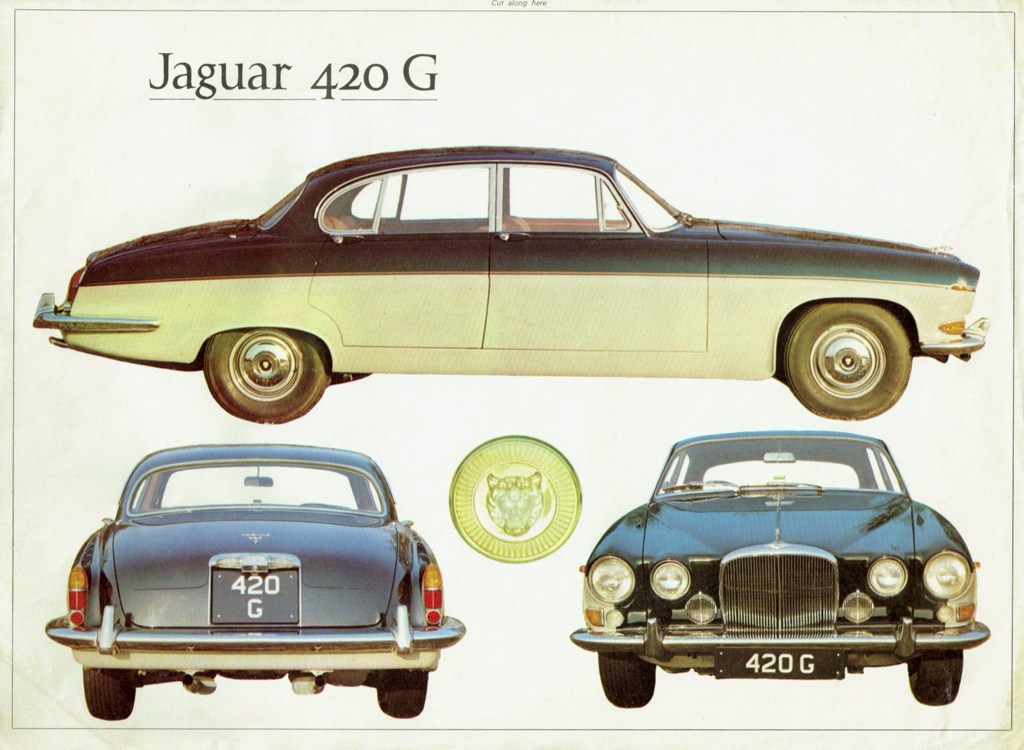
In October 1966 the Mark X was renamed the Jaguar 420G. It differed only slightly from the Mark X: it had a vertical central bar in the grille and a chrome strip along the side (except for the two-tone models).
The Mark 9 was almost identical to the Mark 8 it replaced, at least externally. Internally it benefitted from a more powerful 3.8 litre engine and four-wheel disc brakes.


The Mk 2 followed on from the earlier Jaguar 2.4 and 3.4 models which were retrospectively named Mk I 2.4 and 3.4. The Mk 2 (never in Roman numerals) featured a much larger glass house, with separate window frames. The windscreen and rear window were also larger. The dash was redesigned to place the speedometer and tachometer in front of the driver, with the ancillary instruments and controls placed in the center.


The 1301 and 1501 were the successors to the 1300 and 1500. Large family cars built along traditional, three box saloon lines.

The 1301 and 1501 were succeeded by the Simca 1307.
The Simca 1300 and Simca 1500 were large family cars. They were versions of the same car, fitted with either a 1.3-litre or 1.5-litre engine. The only differences were levels of trim and the grille.

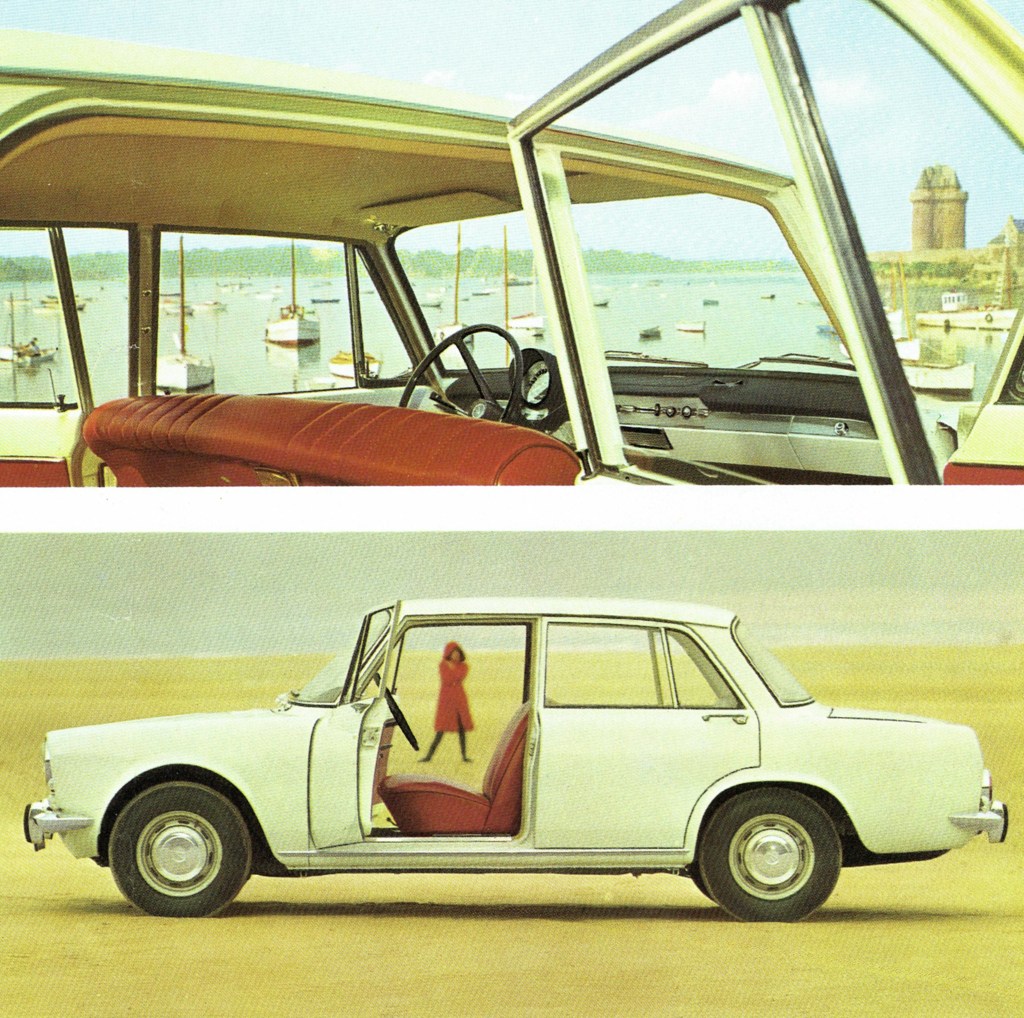
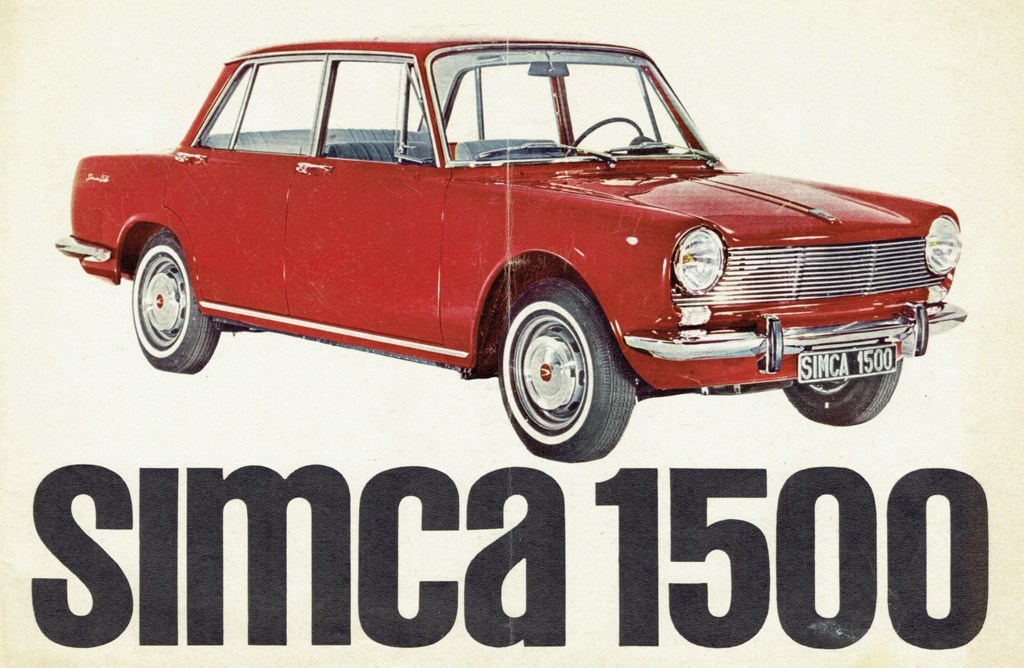
Updated versions were introduced in 1966, the Simca 1301 and 1501.
The Vedette started off life as a Ford (France) Vedette. Simca took over the Ford works in 1954 but the Vedette continued to be sold as a Ford for some time after the take-over.
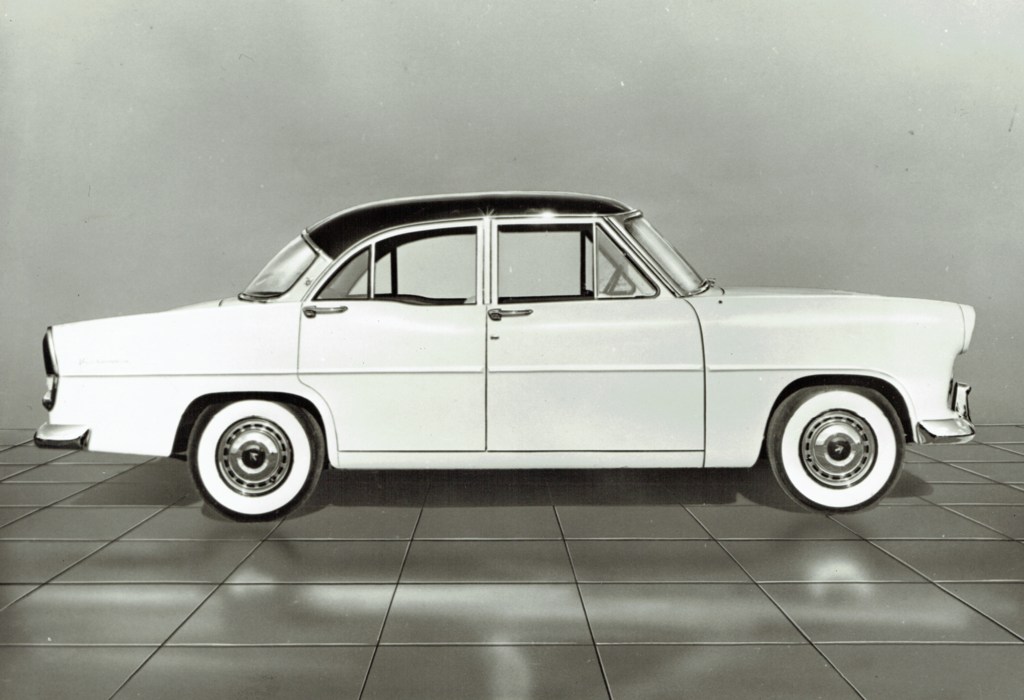

The Versailles had the “Aquilon” 2351 cc V8 side-valve engine. It produced 80 bhp at 4600 rpm.


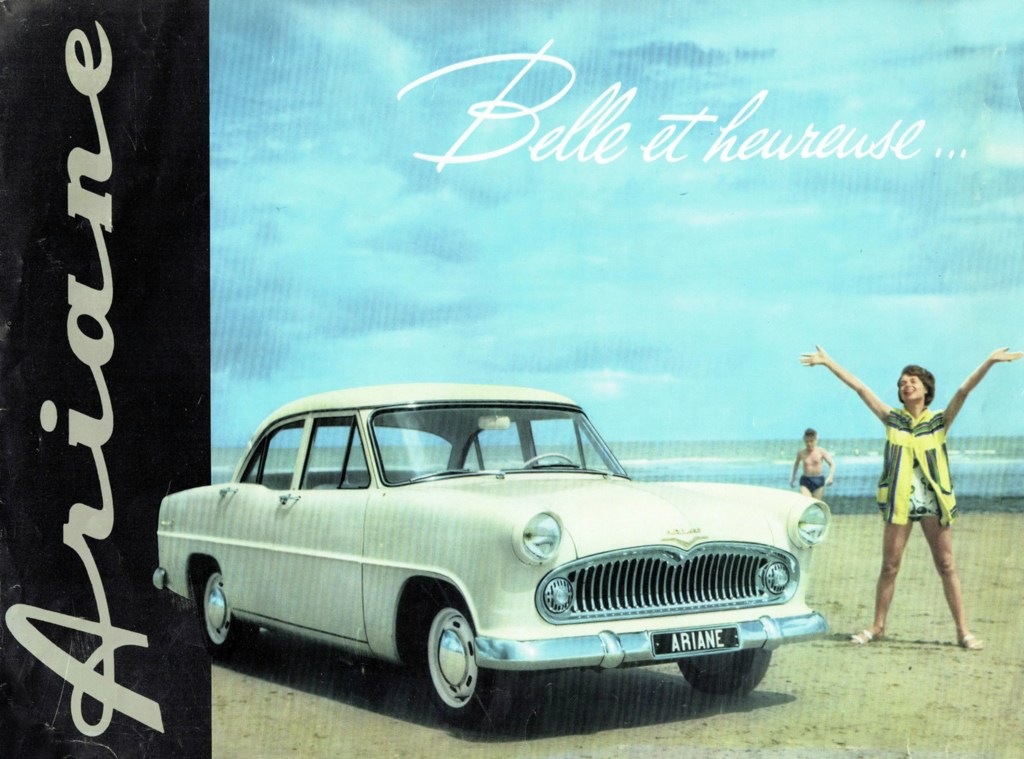
1958 saw the introduction of a new body style, but still with the side-valve V8. The models were Beaulieu, Chambord, Présidence and Marly. The old body style was continued as the Ariane.


Specification (1958 Simca Vedette)
Engine sidevalve V8 2351 cc
Power 84 hp @ 4800 rpm
Top Speed 145 km/h


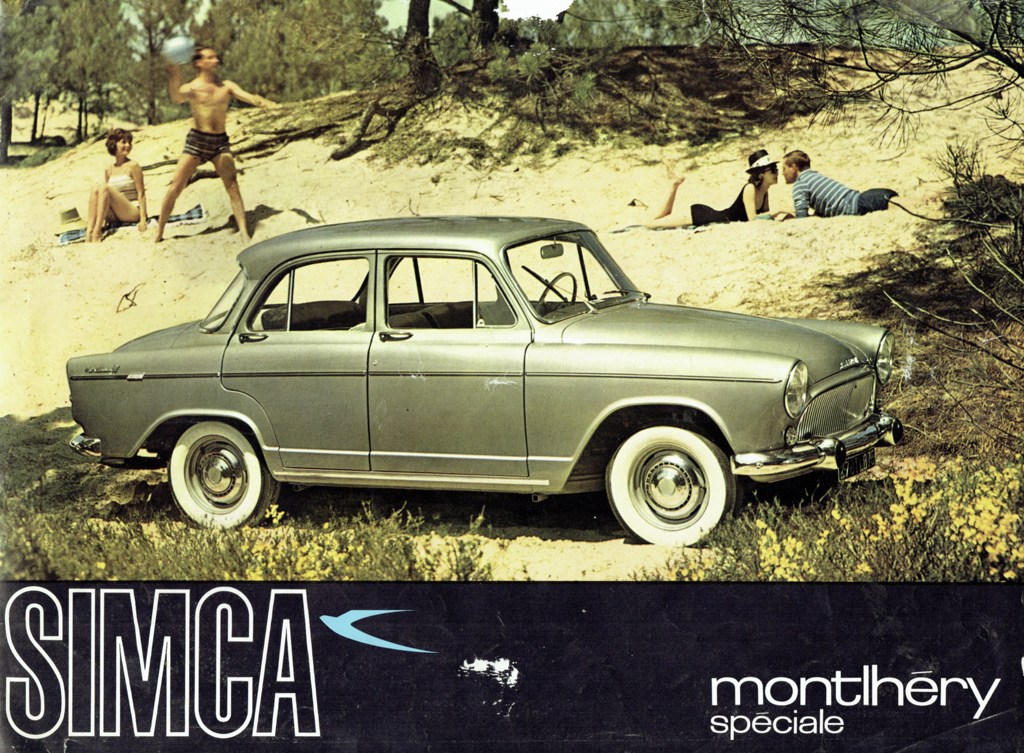


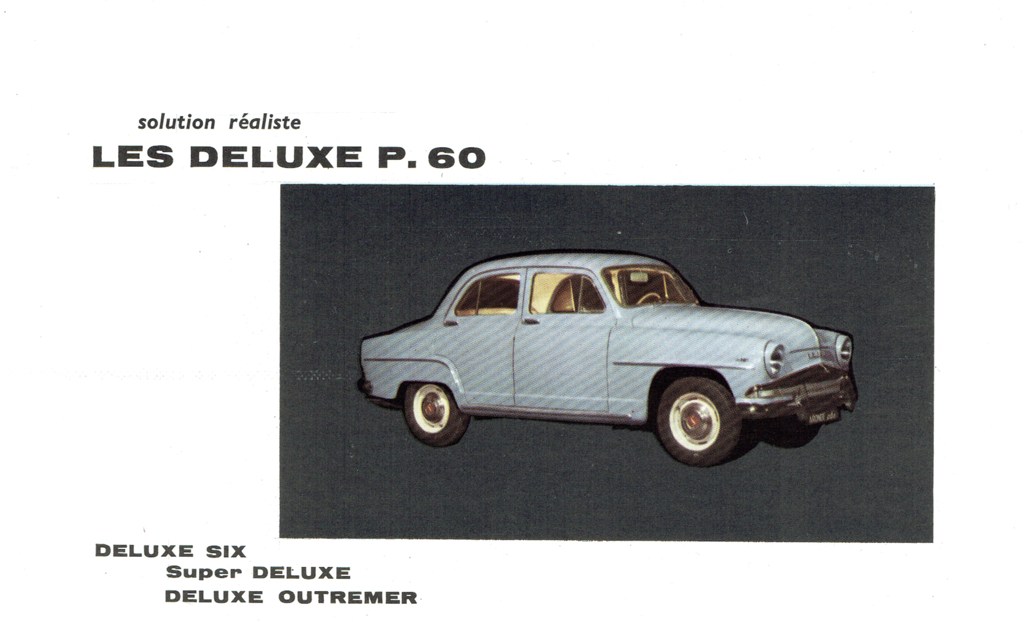
The previous model was carried over as an entry-level offering.
The Ariane had the body style of the (old) Vedette coupled with the reliable and economical 4 cylinder ‘Flash’ engine.


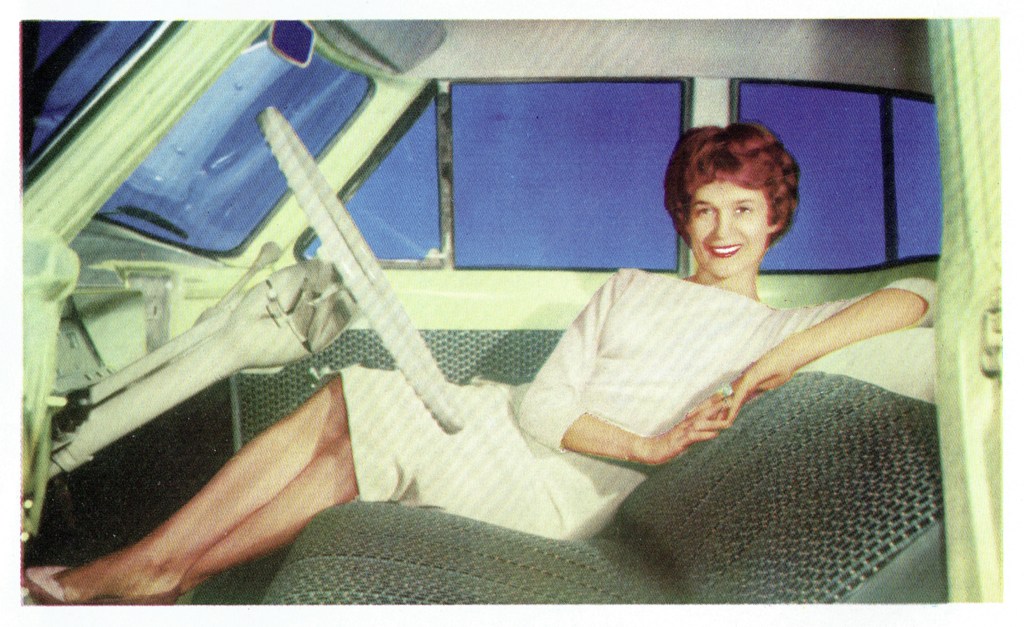
About the 1962 model: “Detail changes have been made for 1962 to all these cars. which all underwent their most important change last year by the introduction of the five-bearing “Rush” engine, with automatic vacuum-controlled spark advance. The “Montlhéry” 4/5-seat passenger saloon was described by Maurice Trintignant as a sports car power plant in a series produced car. Now with the 70 b.h.p. engine, and renamed “Spéciale”. this model has been made available in a new metallic grey finish. Of similar power and the other prestige models, the “Monaco Spéciale” 4-passenger hardtop, the “Océane” two-seat hardtop and its sister “Plein Ciel” convertible. The six-seat Ariane Miramas has had its sound-proofing improved still further; three versions of this car comprise the standard, the SL (Super Luxe) with some extras and the GC (Grand Comfort) with contoured Autogalbe seat back and Chambord type upholstery in elastic, leather-grained fabric. The low-priced Etoile has a slightly more luxurious version, the Elysee. a four/five seat saloon with four doors.”
From: European Cars 1962 by M.J. Wilson