Lancia Flaminia (1957-1970)
The Lancia Flaminia was offered as a saloon (berlina), Coupé, GT and Sport.
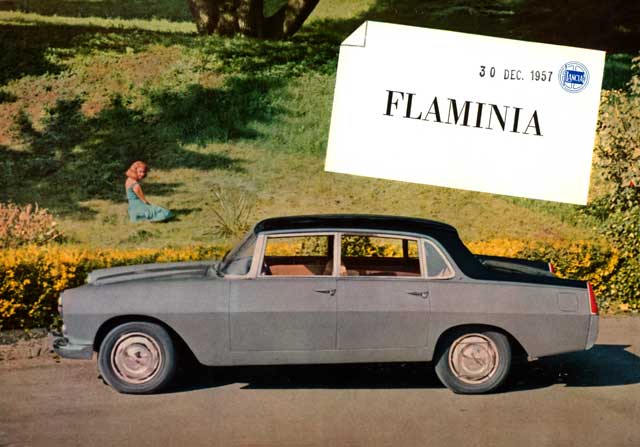
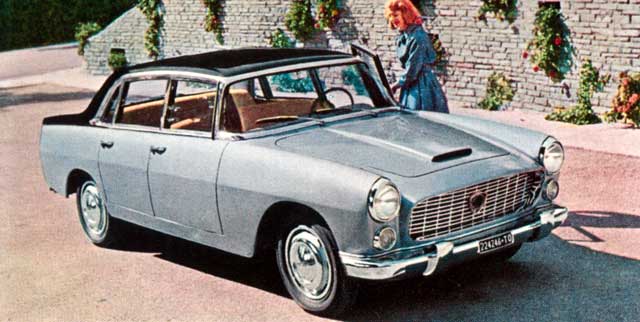

designed by various famous coachbuilding firms.
The Lancia Flaminia was offered as a saloon (berlina), Coupé, GT and Sport.
Lancia Aurelia (1950-1957)
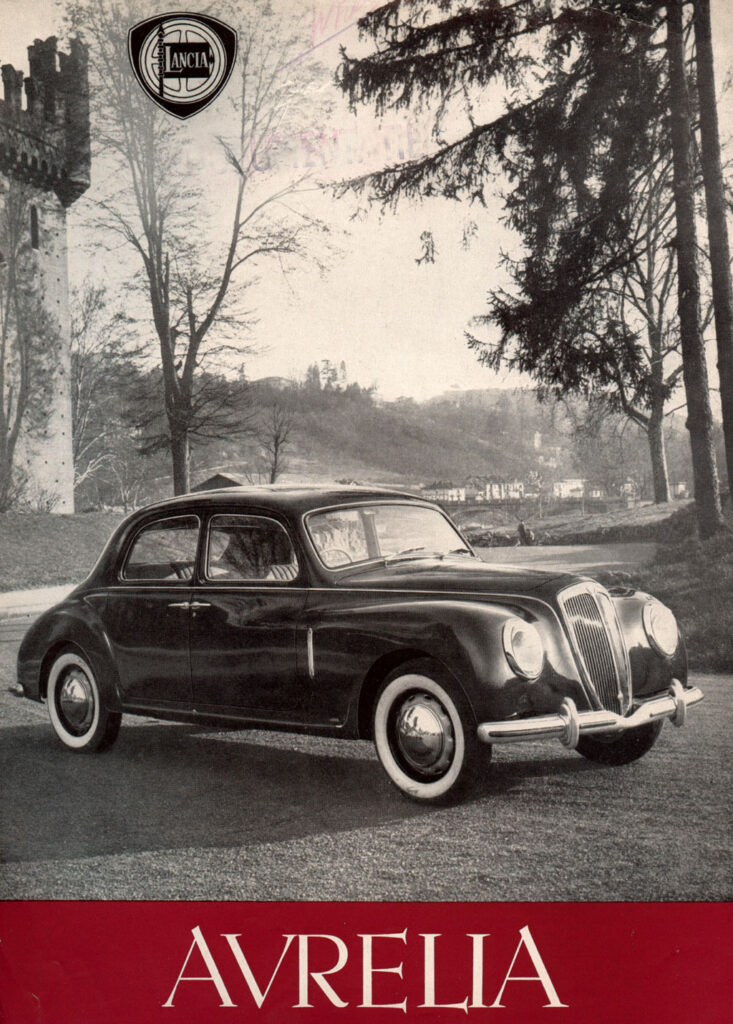

The Lancia Aurelia was available as a convertible and as a coupé, both styled by Pininfarina. Built from 1950 to 1957.

Lancia Appia (1953-1959)
The Lancia Appia arrived on the market in 1953. Production lasted until 1959. As with other Lancia models, the Appia had no central pillar.


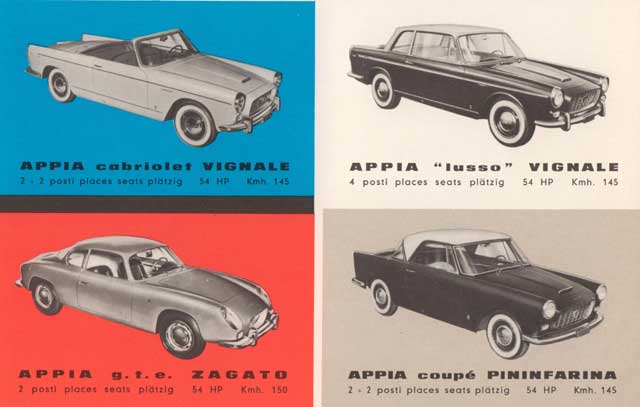

.
Kaiser Rotterdam (1947-1954)
Certain models were manufactured under licence in Rotterdam. De Nederlandsche Kaiser-Frazer Fabrieken N.V. was located at Sluisjesdijk in Rotterdam.
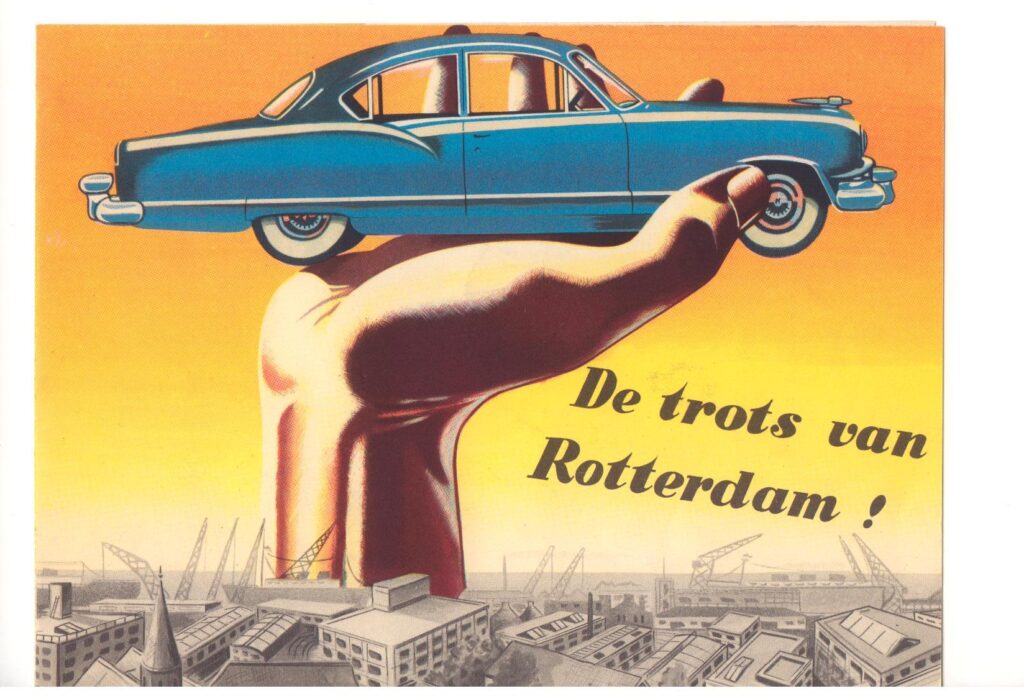
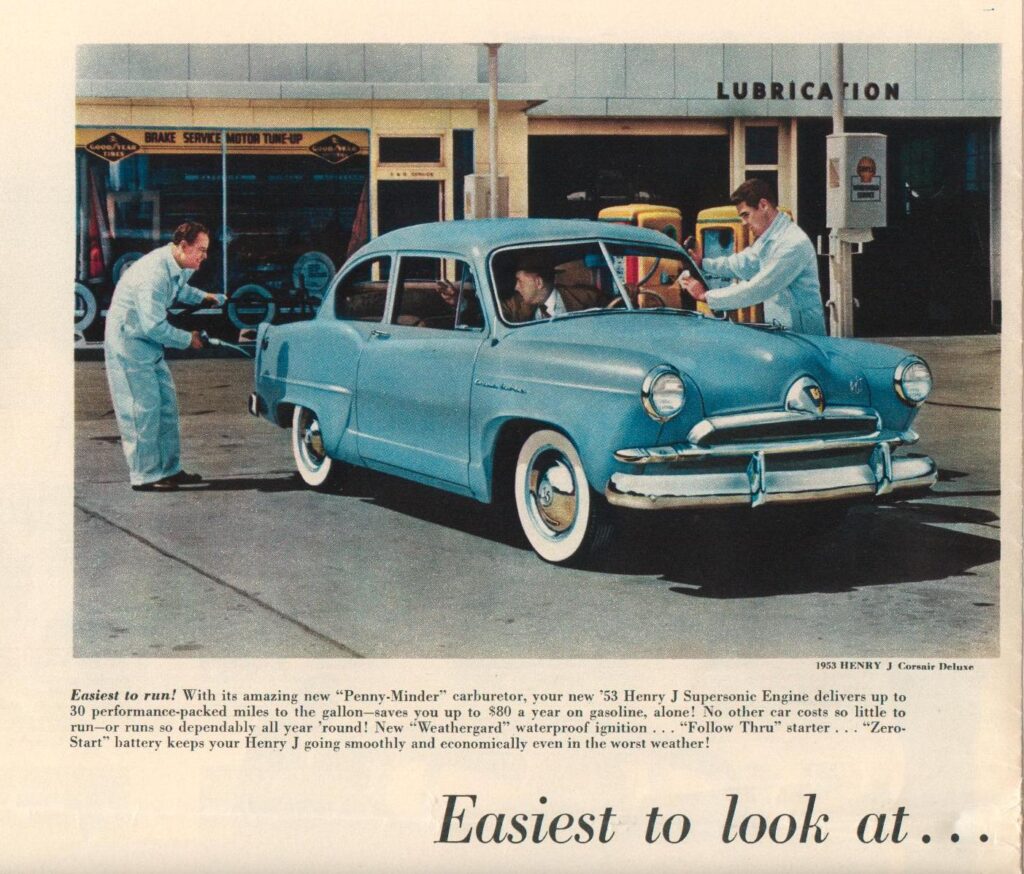
Kaiser Henry J (1950-1954)
Kaiser Frazer (1946-1951)
The Kaiser-Frazer corporation was named after Joseph Frazer and Henry J. Kaiser. The Frazer was the up-market car to compete with Oldsmobile et. al. and the Kaiser was intended for the lower end of the market – that is until the partnership fell apart and Frazer left the company. With his departure, 1951 was the last year for the Frazer and in 1952 the Manhattan model name was added to the Kaiser line-up.

The sensational 120 was introduced in 1948. It shared its chassis with the Mark V, although the 120’s was shortened somewhat. The XK120 was equipped with the new twin-cam six cylinder engine.


Specification Jaguar XK 120
Engine Straight 6, 3442cc
Power 160bhp @ 5000 rpm
Transmission Manual 4-speed
Chassis Box section
Suspension Independent front, leaf spring rear
Brakes Lockheed hydraulic drum
Top speed 200 km/h (120 mph)
Acceleration 0-96 km/h: 10 s

The Mark VIII replaced the Mark VII in 1956. It is identifiable by the one-piece curved windscreen. Production lasted only two years, when it was succeeded by the Mark IX.
The Mark VII was launched in 1951 as a replacement for the Mark V (there being no Mk VI). It was powered by the new twin-cam 3.4 litre straight six engine designed specially for it. This model sold particularly well on the US market, for which an automatic gearbox was designed. The VII M appeared in 1955. The “M” developed 190 hp. The model was replaced in 1957 by the Mark VIII.

Jaguar’s success was to a great extent based on the Mark 1 saloon that first appeared in 1955. It inherited the XK engine from the larger Mark VII, but in a 2.4 litre version. This car was the first Jag to have a unitary body construction.

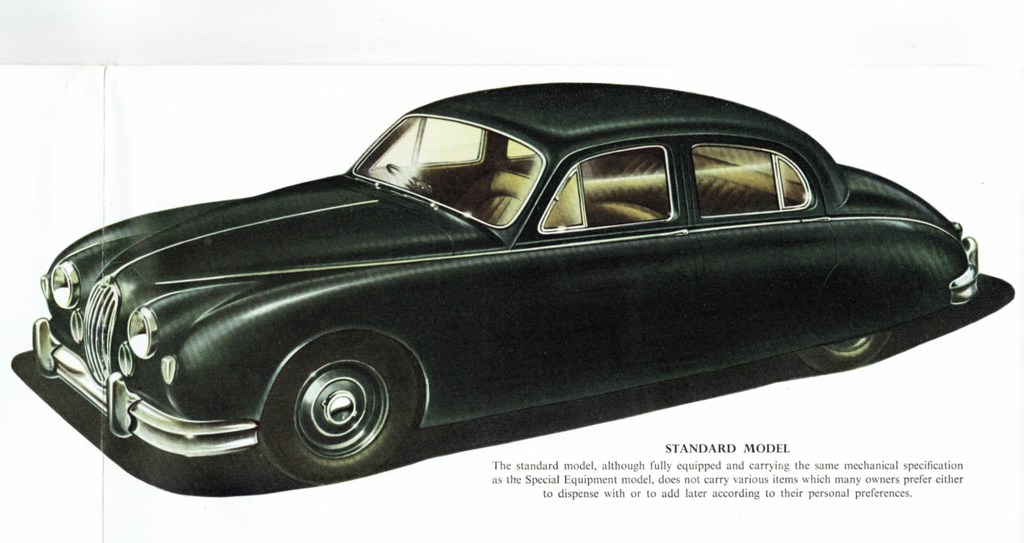
A more powerful version appeared in 1957 in the form of the 3.4 litre model. The large engine was accompanied by a new wider grille and cut-away rear wheel spats.


The Mark 1 was replaced by the Mark 2 in 1959.